


Understanding AdSense Traffic
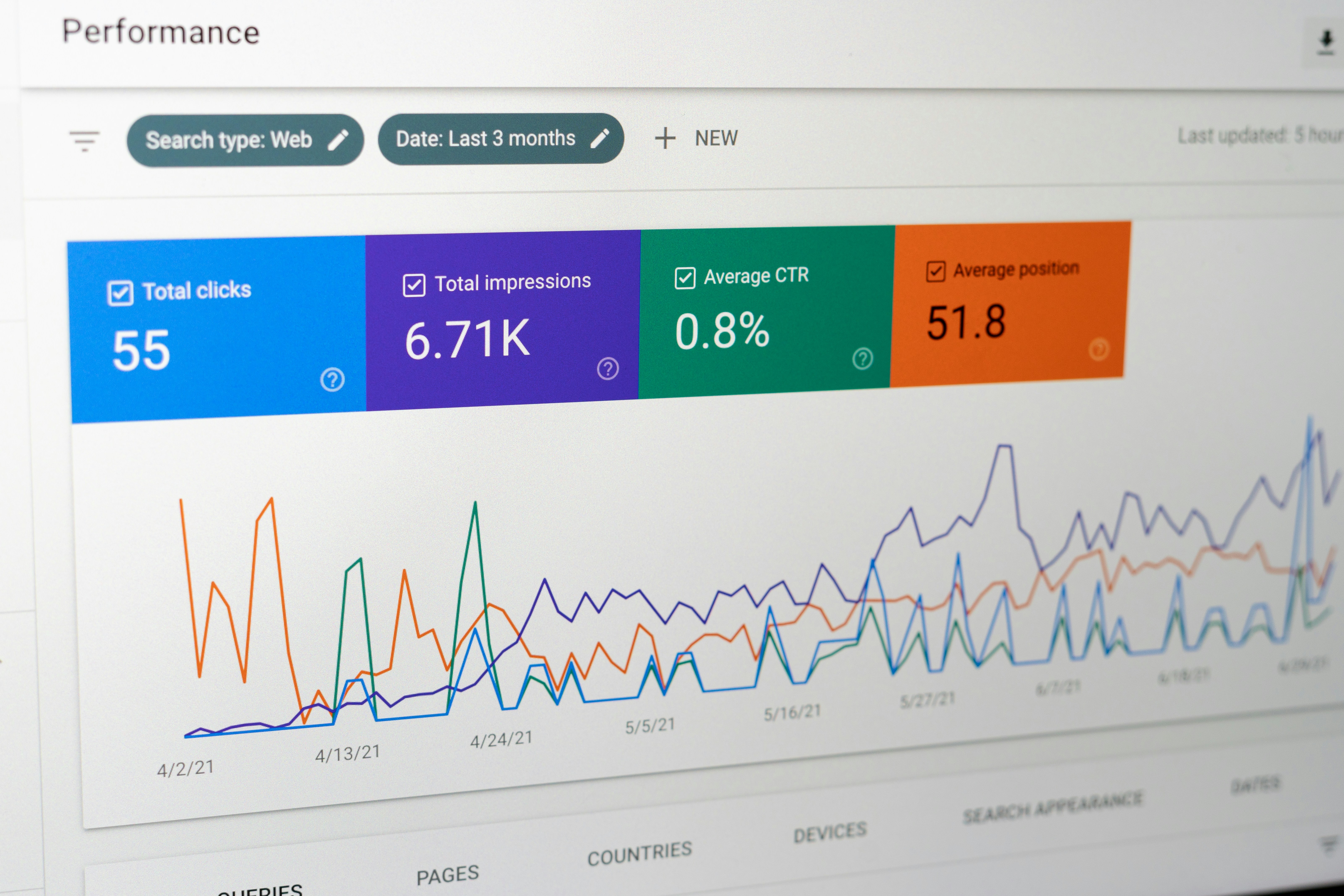
AdSense traffic refers to the visitors that land on a website that utilizes Google AdSense as its monetization method. This traffic is integral to a website’s overall revenue, as it directly influences the number of ad impressions and clicks. Consequently, the quality and quantity of traffic play a pivotal role in determining how effectively a site can generate income through ads. For website owners looking to maximize their earnings, understanding AdSense traffic becomes paramount.
High-quality traffic is characterized by users who are genuinely interested in the content provided on the website. When users find value in the content, they are more likely to engage with the advertisements displayed, leading to higher click-through rates (CTR). In contrast, low traffic, particularly if it is of poor quality, can severely hinder a site’s potential to earn revenue. This may occur if the audience is not aligned with the site’s niche, as these users are less likely to interact with the ads. Additionally, a website receiving low traffic may struggle with visibility and authority, further diminishing its ability to attract quality visitors.
The relationship between AdSense traffic and earnings highlights the importance of not merely increasing the number of visitors but also attracting the right audience. Website owners need to focus on various strategies that nurture high-quality traffic while actively seeking to enhance user engagement. Such strategies may include optimizing website content for search engines, utilizing social media marketing, and ensuring that the website is user-friendly. By doing so, publishers can create a sustainable ecosystem where quality traffic converges with compelling content, significantly enhancing overall AdSense revenue.
Identifying Your Target Audience
Understanding your target audience is paramount when striving to increase traffic on AdSense. A well-defined audience allows for customized content creation and strategic ad placements, which can lead to improved engagement and higher conversion rates. The first step in this process is to conduct thorough research to uncover your audience’s key demographics, including age, gender, income level, and geographical location. By utilizing tools such as Google Analytics, you can gain insights into who is visiting your website, what content resonates with them, and how they interact with your site.
Beyond demographics, it is crucial to examine your audience’s interests and online behaviors. This involves understanding their preferences regarding content formats, topics of interest, and the platforms they frequent. Conducting surveys, utilizing social media polls, and analyzing competitor sites can yield valuable information. Implementing feedback mechanisms, such as comment sections or forums, can also facilitate direct communication with your audience, allowing for real-time insights that inform your content strategy.
Moreover, behavioral analysis of your audience is essential. Tracking metrics such as page views, bounce rates, and interaction times can illuminate patterns in your audience’s online behavior. By discerning which topics generate the most engagement, you can adjust your content strategy to align with audience preferences, ultimately driving more traffic to your site.
Incorporating SEO strategies tailored to your audience’s interests is also a critical component. Using keyword research tools to determine the search terms your demographic is frequently using can enhance your content’s visibility. When your content aligns with what your audience is searching for, it not only boosts traffic but also enriches the overall user experience, fostering a community around your brand.
Creating High-Quality Content
Producing high-quality content is a fundamental strategy for boosting traffic on AdSense. Engaging, informative, and valuable content can significantly attract visitors and encourage them to return to your site. Ensuring that your content meets these criteria requires a multifaceted approach. One of the most critical aspects is to optimize content for search engines, which not only enhances visibility but also increases the chances of attracting organic traffic. This involves incorporating relevant keywords naturally throughout your text, crafting compelling titles, and using proper tags. However, it is essential to avoid keyword stuffing, as it can negatively impact readability and SEO ranking.
Visuals play a vital role in content creation as well. Integrating high-quality images, infographics, and videos can make your content more engaging and digestible. Infographics, in particular, can convey complex information in a more accessible format, thereby enhancing user experience. Moreover, visuals can help break up lengthy texts, ensuring that readers remain engaged and reducing bounce rates, both crucial factors in improving AdSense performance.
Authenticity is another component that cannot be overlooked. Creating content that reflects your voice and values will resonate more with your audience. Readers are more likely to return to a website that feels genuine and relatable. Focus on telling your story, sharing experiences, and providing valuable insights that can help readers in their pursuits. By fostering a sense of community and trust, you can cultivate a loyal audience that views your content as a reliable source of information.
In conclusion, by emphasizing high-quality content, optimizing for SEO, using compelling visuals, and maintaining authenticity, you can substantially enhance your website’s attractiveness and, ultimately, increase traffic on AdSense.
Utilizing SEO Strategies
Search Engine Optimization (SEO) is a critical component in driving organic traffic to a website, particularly for those utilizing platforms like Google AdSense. Effective SEO techniques can significantly improve search rankings, making it easier for potential visitors to discover your content. The foundation of SEO lies in thorough keyword research, which involves identifying relevant phrases and terms that your target audience is likely to use during searches. By understanding search intent and frequency, you can integrate these keywords naturally into your content, headings, and meta descriptions, thus enhancing visibility.
On-page SEO techniques are equally important in optimizing your website. This includes crafting high-quality content that not only incorporates identified keywords but is also engaging and informative. Properly structuring your content using headers and bullet points can enhance readability, keeping visitors on your site longer. Additionally, optimizing images with alt tags and compressing their size can greatly improve page load speed—an essential factor in both user experience and search engine rankings.
Backlinking is another vital aspect of a successful SEO strategy. Building a network of quality backlinks from reputable sites can significantly enhance your site’s credibility in the eyes of search engines. Engaging in guest blogging, collaborating with influencers, and sharing content through social media platforms can be effective methods for generating these valuable links. Furthermore, in today’s mobile-centric world, prioritizing mobile optimization is paramount. Ensuring that your website is responsive and user-friendly on all devices will not only improve user experience but also positively impact your search rankings.
Leveraging Social Media Platforms
Utilizing social media platforms is an effective method for driving traffic to your blog or website, particularly when looking to increase your AdSense revenue. The expansive reach of these platforms enables you to engage with a diverse audience, share your content, and augment your online presence. Best practices for sharing content include using captivating headlines and high-quality images that attract attention. It is also advisable to tailor your posts to the characteristics of each platform, considering the preferences of the respective user base.
Engagement with followers is another critical aspect of leveraging social media. Regularly responding to comments and messages fosters a community around your blog or website, encouraging followers to share your content organically, thus increasing visibility. Furthermore, initiating conversations through polls, questions, or sharing user-generated content can enhance interaction. Additionally, employing social media advertising is a robust strategy; targeted ads can effectively reach potential audiences who are likely to engage with your content. By creating tailored advertisements that resonate with specific demographics, you can significantly boost traffic to your site.
Joining relevant groups on social media networks can also provide substantial advantages. These groups often consist of individuals interested in similar topics, enhancing the likelihood of content engagement. By sharing your posts within these communities, following group guidelines, and contributing meaningfully to discussions, you will be able to capture a targeted audience that may lead to increased traffic and engagement on your website. Furthermore, collaborating with influencers or bloggers in your niche can expand your reach. They can introduce your content to their audience, providing a beneficial promotional opportunity.
In conclusion, effectively leveraging social media platforms through best practices, engagement, advertising, and community involvement can significantly contribute to enhancing traffic on your blog or website. By employing these strategies, you can not only boost your site’s visibility but also increase your AdSense revenue potential.
Building an Email List
In the realm of digital marketing, building an email list is an essential strategy for increasing traffic on AdSense. An email list serves as a direct line of communication with your audience, and it is one of the most valuable assets a content creator can possess. By establishing this list, you can disseminate information about your updates, promotions, and new offerings directly to individuals who have already expressed interest in your content.
The first step in building an email list is to offer value to your potential subscribers. This can be achieved by providing exclusive content, such as e-books, webinars, or discount codes, in exchange for their email addresses. Such incentives not only encourage sign-ups but also position you as a credible source of valuable information. Utilize various channels to promote your signup forms, including social media platforms and your main website, ensuring accessibility for your audience.
Once you have established your email list, the next step is to create compelling newsletters. These should be engaging and informative, featuring your latest blog posts, tips, insights, and relevant news within your niche. Incorporate visuals and links to your website content to encourage readers to visit and interact with your site. Effective newsletters should also include a clear call to action, prompting readers to explore your website further, thereby boosting traffic on AdSense.
Furthermore, timed email campaigns can be a powerful tool in your marketing strategy. Consider using email automation to send targeted campaigns during specific periods, such as holidays or product launches. By analyzing subscriber engagement, you can tailor your content to generate more visits and conversions. In this way, an effective email marketing approach not only enhances your relationship with subscribers but also significantly contributes to enhancing your website traffic.
Implementing Paid Advertising
Paid advertising has emerged as a significant tool to increase traffic, especially for platforms like AdSense. By leveraging various paid advertising options, publishers can effectively reach a targeted audience, thus improving their chances of monetization. Two of the most well-known platforms for paid advertising are Google Ads and Facebook Ads, each offering unique benefits and features that can enhance visibility and engagement.
Google Ads operates on a pay-per-click model, allowing advertisers to display their ads on Google’s search results and its vast network of partner sites. To effectively utilize Google Ads, it is crucial to conduct thorough keyword research, ensuring that chosen keywords align with the intended audience’s search behavior. Developing compelling ad copy that captures attention and encourages clicks is equally important. Advertisers should focus on creating specific landing pages that provide value and relevance to users who arrive through the ads, as this can significantly improve conversion rates.
In addition to Google Ads, Facebook Ads allows advertisers to tap into a vast social media user base. The platform offers detailed targeting options, enabling advertisers to narrow their audience based on demographics, interests, and behaviors. Crafting visually appealing ads that resonate with the target audience is essential on Facebook, where users often engage more with high-quality images and videos. Testing various ad formats, such as carousel ads or video ads, can help determine which approach garners the best engagement and click-through rates.
Other platforms such as Instagram, Twitter, and LinkedIn also present valuable opportunities for paid advertising. Each platform has its unique audience and engagement style. Therefore, it is advisable for advertisers to analyze their target market’s preferences and behaviors before allocating their budget across these channels. By diversifying advertising efforts and continuously monitoring campaign performance metrics, publishers can enhance their strategies, ultimately driving more traffic to their AdSense accounts.
Engaging in Guest Blogging
Guest blogging has become an essential strategy for website owners looking to enhance their visibility and drive traffic to their AdSense-enabled sites. By contributing articles to other relevant blogs in your niche, you can establish credibility and tap into a new audience. The first step in this process involves identifying suitable blogs that accept guest posts. To find these platforms, consider using search phrases like “write for us” or “guest post guidelines” alongside your industry keywords. This investigation will lead you to blogs with an audience that matches your target demographic.
Once you have identified potential candidates, the next step is to craft a compelling pitch. This entails not only proposing a topic that would resonate with the host blog’s audience but also demonstrating your understanding of their content style and values. Ensure that your pitch reflects your expertise, outlines how the content will benefit their readers, and includes a small portfolio of your previous writing—if applicable. A well-crafted pitch increases the likelihood of acceptance and sets the tone for a fruitful collaboration.
After successfully contributing a guest post, it is vital to utilize backlinks effectively. Include links in your article that direct readers to relevant pages on your own site, thereby facilitating traffic generation. These backlinks should be contextual and add value to the reader’s experience, enhancing your site’s authority in the eyes of search engines. Moreover, promote your guest post on your own social media channels, maximizing exposure for both your content and the host blog. By incorporating these strategies, guest blogging can significantly contribute to boosting your traffic while also fostering relationships within your niche.
Analyzing Traffic Metrics
In the realm of increasing AdSense traffic, the analysis of traffic metrics stands as a fundamental strategy that cannot be overlooked. Understanding visitor behavior through detailed traffic data is crucial for optimizing strategies and enhancing overall performance. One of the most effective tools for this purpose is Google Analytics, which offers a wealth of insights into how users interact with a website. By utilizing Google Analytics, you can track various metrics that reveal valuable information about your audience.
Key metrics to focus on include page views, bounce rate, average session duration, and user demographics. Page views provide insight into the popularity of your content; a high number of views indicates effective engagement with the audience. Conversely, a high bounce rate might suggest that visitors are not finding what they expect, prompting a reassessment of content relevance and quality. Average session duration informs you about how long users are staying on your site, which can indicate the relevance and engagement level of your content. Understanding user demographics allows you to tailor your content towards the preferences and interests of your target audience.
Once you have gathered and analyzed this data, the next step involves adjusting your strategies based on the insights obtained. For instance, if you notice that a particular blog post significantly retains readers, consider generating more content centered around that topic. Alternatively, if certain pages lead to a high bounce rate, you may want to revise them to include additional information or call-to-action prompts. By continuously monitoring and adapting your strategies using the metrics from Google Analytics, you can ensure a sustained increase in AdSense traffic. In conclusion, analyzing traffic metrics is vital for understanding visitor behavior and identifying areas for improvement, ultimately leading to increased ad revenue and website growth.
